Coastal Process
From Coastal Processes to Coastal Hazards

Explore the topics below to learn how coastal processes can put our Great Lakes communities at risk.

Low Water Levels
High Water Levels
Coastal Erosion
Littoral Cells
Minimal Ice Cover
Ice Cover

Littoral
Cells
Coastal
Erosion
High Water Levels
Low Water Levels
Ice
Cover
Minimal Ice
Cover
Littoral Cell
Littoral Cells

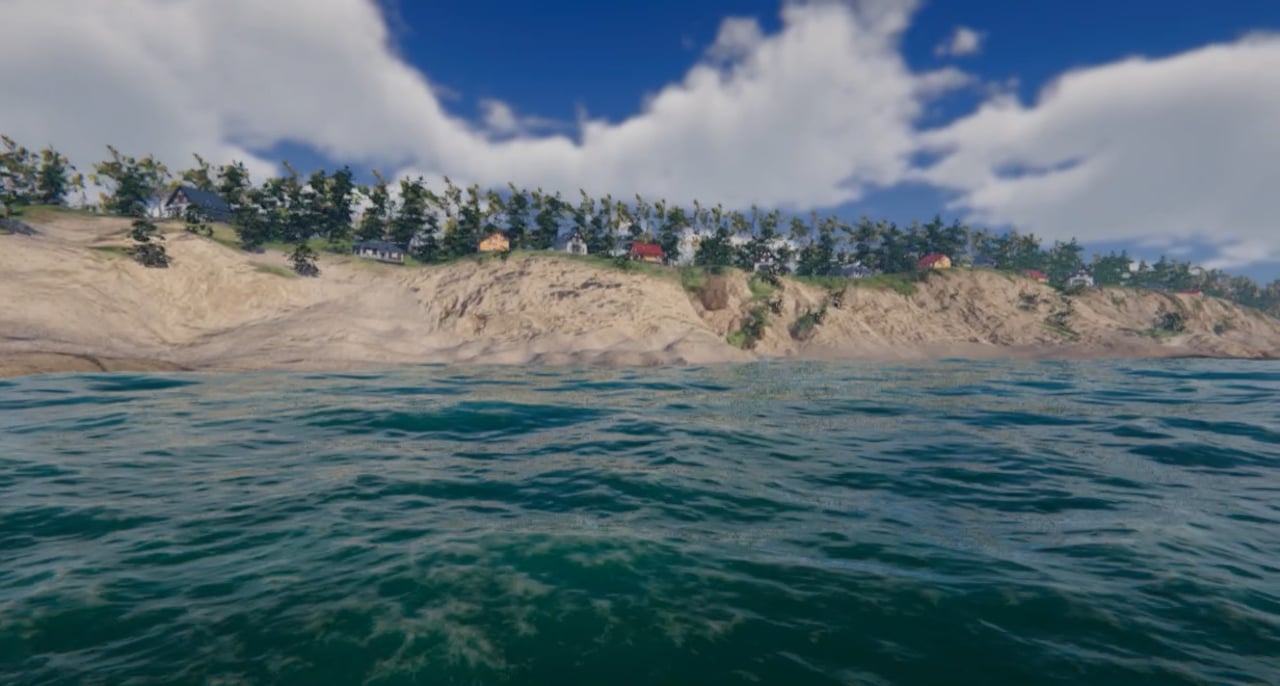
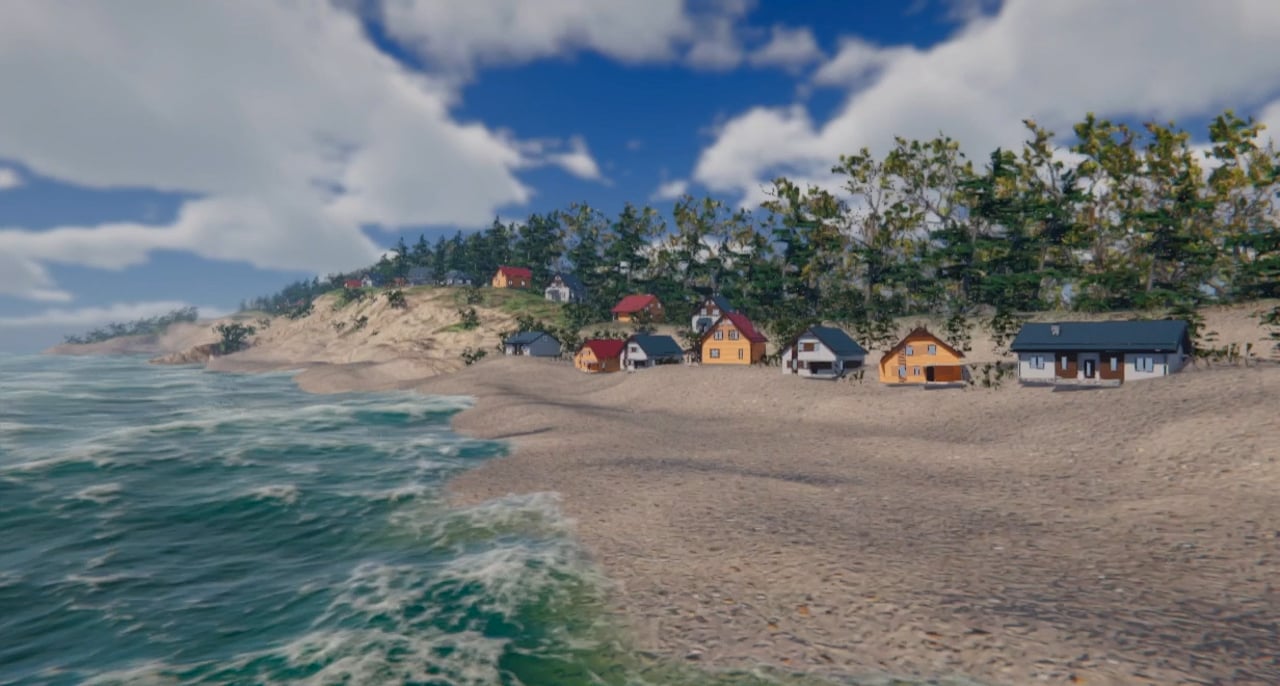
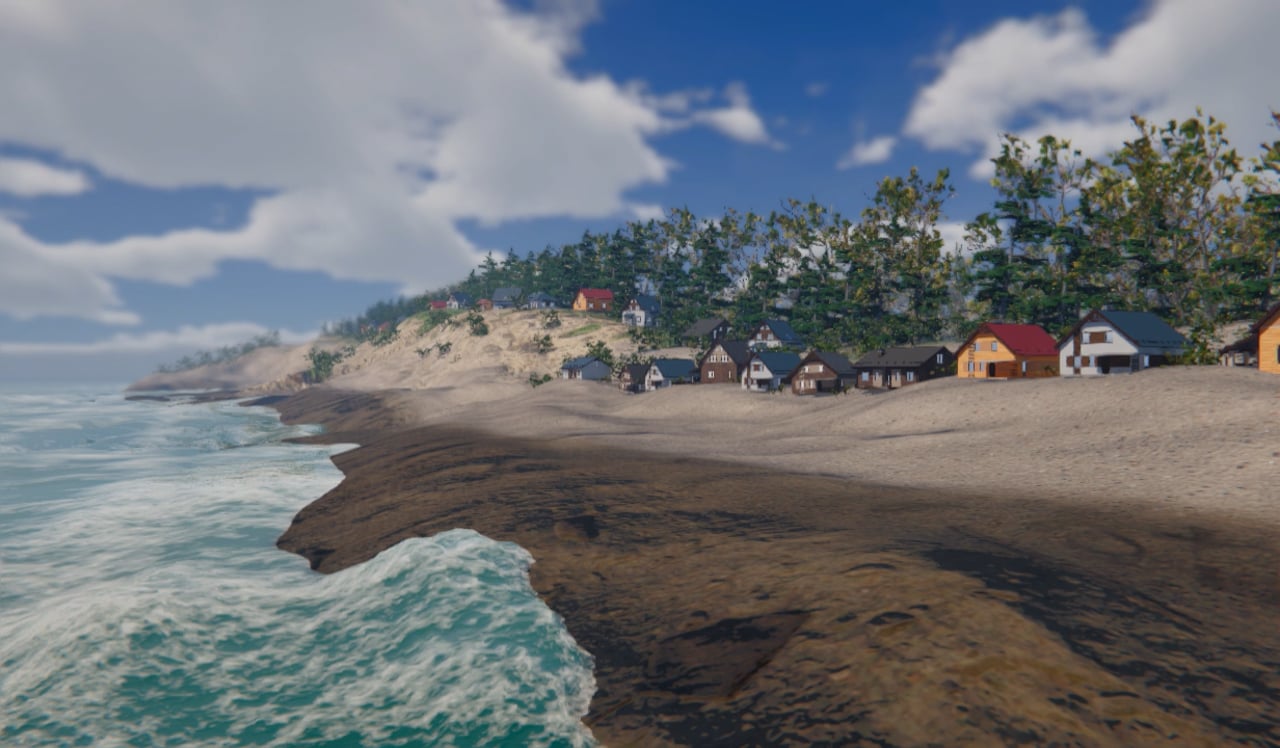
A littoral cell is a stretch of coastline, often over 100 km long, where sand circulates. Coastal processes like bluff erosion and periods of high-water levels transport sediment along the littoral cell. Sediment, a mixture of sand, clay and silt, falls from bluffs and/or banks to the beach and is picked up, transported and deposited by the littoral drift.

Depending on where a property sits within a littoral cell, it may be in an up-drift or down-drift area. Coastal structures, including armoured coastlines, breakwaters or harbours, can disrupt this natural flow, causing sediment to build up down-drift, while up-drift areas lose sand, leading to accelerated erosion and beach loss.

PlayPlay
Littoral
Cells
Coastal
Erosion
High Water
Levels
Low Water
Levels
Ice
Cover
Minimal Ice
Cover
Coastal Erosion
Coastal Erosion

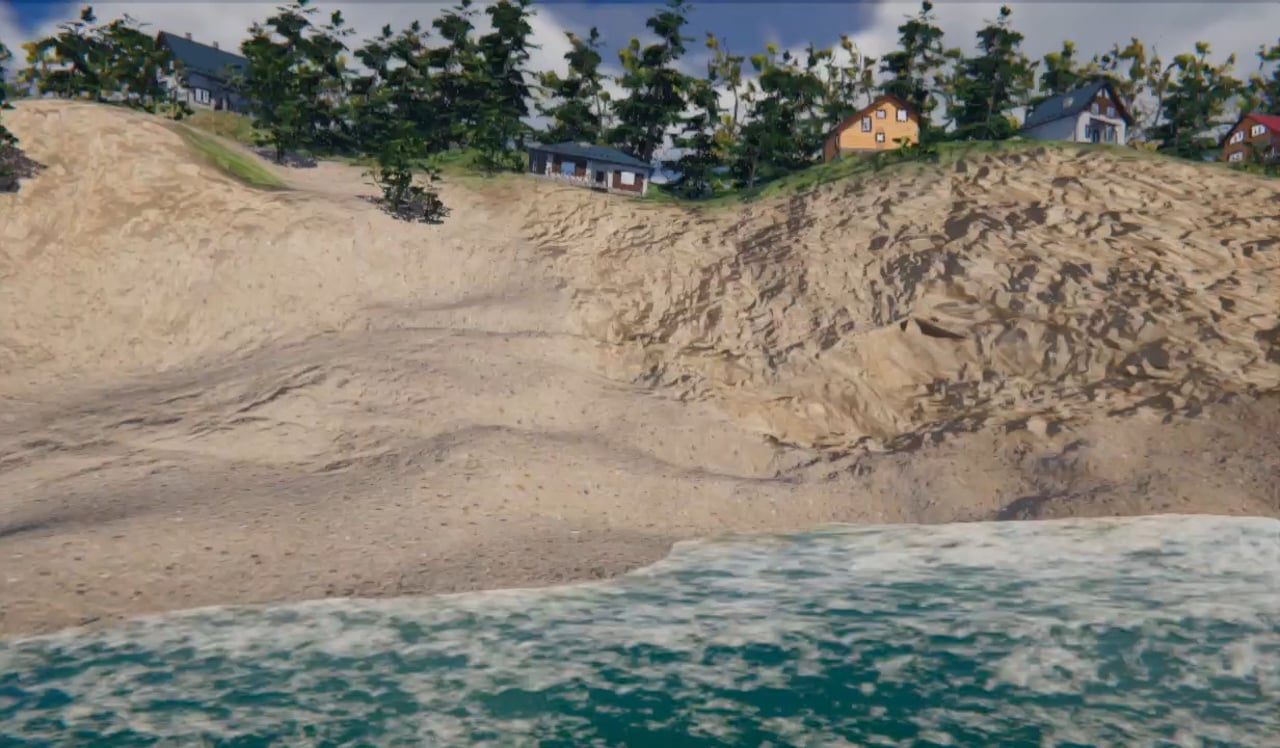
Coastal erosion is a natural process that shapes and maintains the coastline and beaches across the Great Lakes. Extreme winds, waves, rainfall, and surface runoff can accelerate sediment transportation and erosion rates. Coastal erosion becomes hazardous when it destabilizes slopes and threatens built infrastructure.

PlayPlay
Littoral
Cells
Coastal
Erosion
High Water
Levels
Low Water
Levels
Ice
Cover
Minimal Ice
Cover
High Water Level
High Water Levels

When lake levels rise significantly above their normal range, due to heavy rainfall or snowmelt, waves reach farther inland, flooding dunes and stripping away the vegetation that protects the coast. As a result, low-lying areas, homes, and infrastructure become more vulnerable to storm damage and erosion.

PlayPlay
Littoral
Cells
Coastal
Erosion
High Water
Levels
Low Water
Levels
Ice
Cover
Minimal Ice
Cover
Low Water Level
Low Water Levels

Low lake levels expose the lakebed to erosion from waves and wind, forming deep divots known as lakebed erosion. During storms, intense wind-driven waves hit the coastline, pushing lake water inland, this is known as wave uprush and overtopping.

PlayPlay
Littoral
Cells
Coastal
Erosion
High Water
Levels
Low Water
Levels
Ice
Cover
Minimal Ice
Cover
Ice Cover
Ice Cover

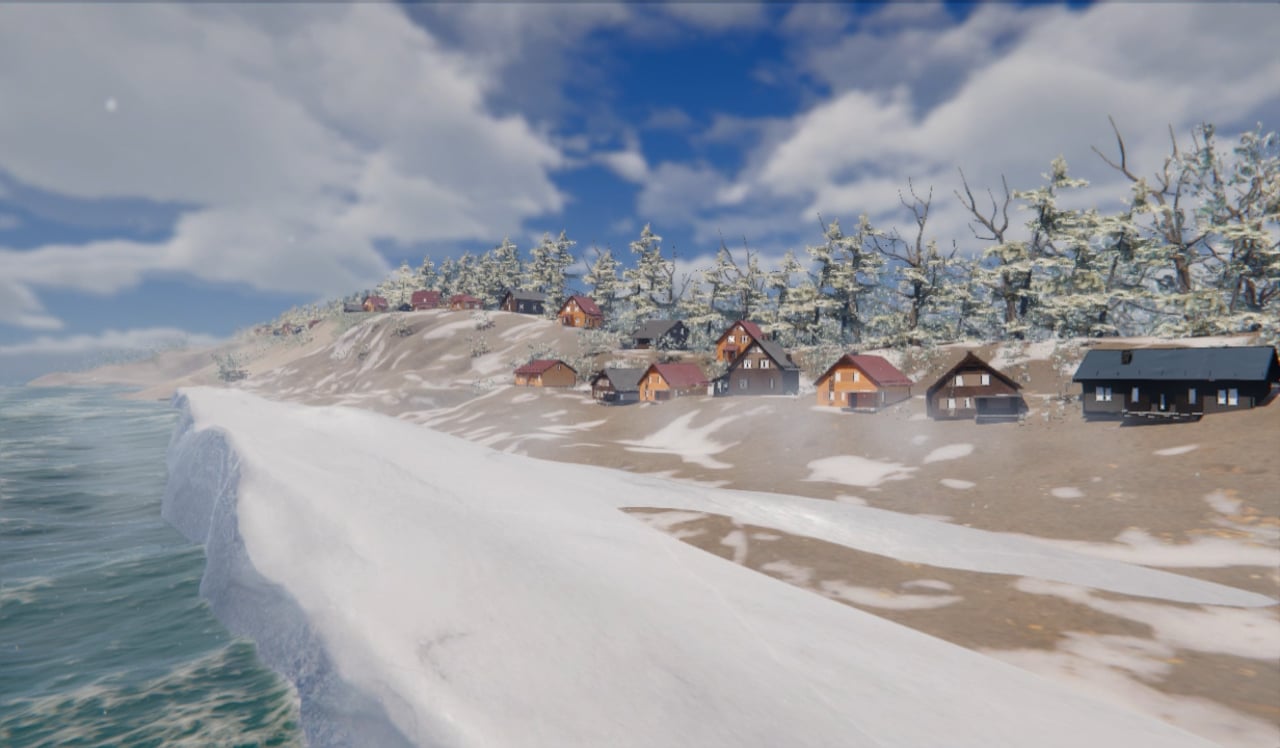
Ice cover acts like a shield, protecting the coast from winter storms, reducing erosion. Without it, wave uprush hits the coast with full force increasing the risk of damage.

PlayPlay
Littoral
Cells
Coastal
Erosion
High Water
Levels
Low Water
Levels
Ice
Cover
Minimal Ice
Cover
No Ice
Minimal Ice Cover

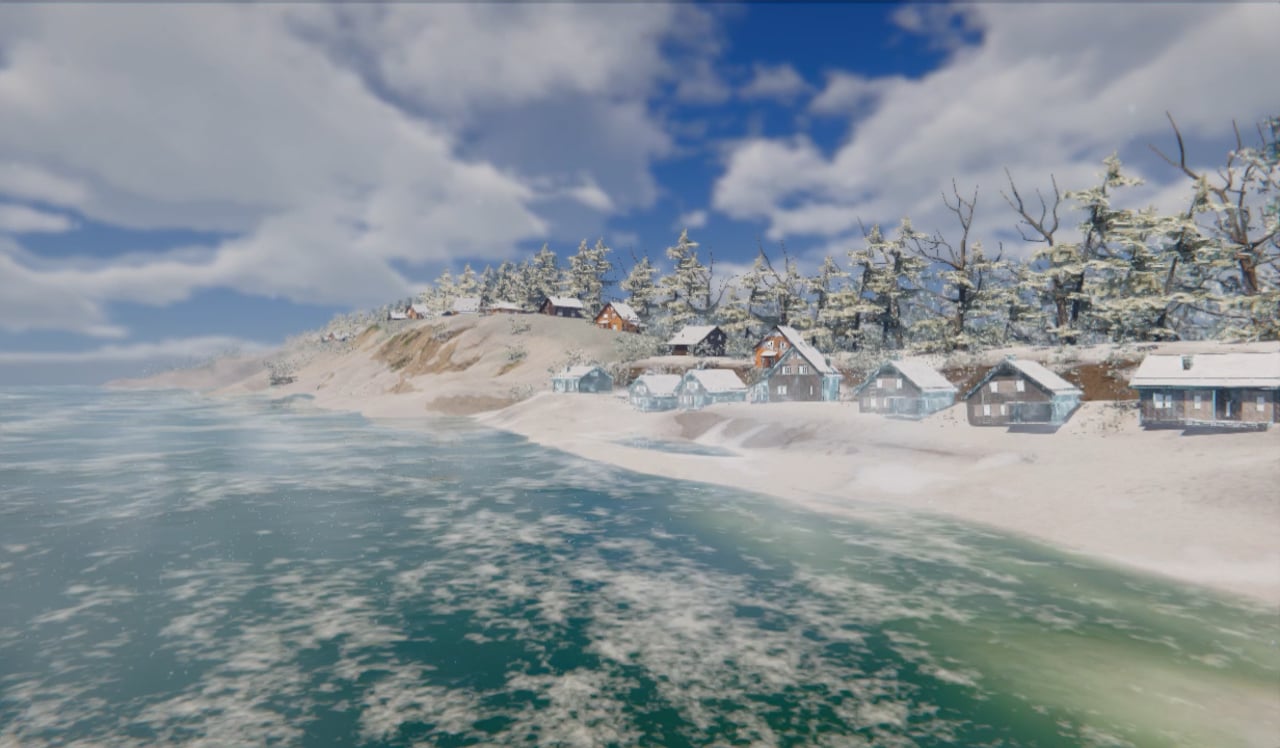
During winters with minimal ice cover, coastlines are exposed to intense waves and ice spray. Erosion worsens, and ice spray coats roads and homes in thick ice.

PlayPlay
Littoral
Cells
Coastal
Erosion
High Water
Levels
Low Water
Levels
Ice
Cover
Minimal Ice
Cover